
Ribera del Duero Francisco Barona
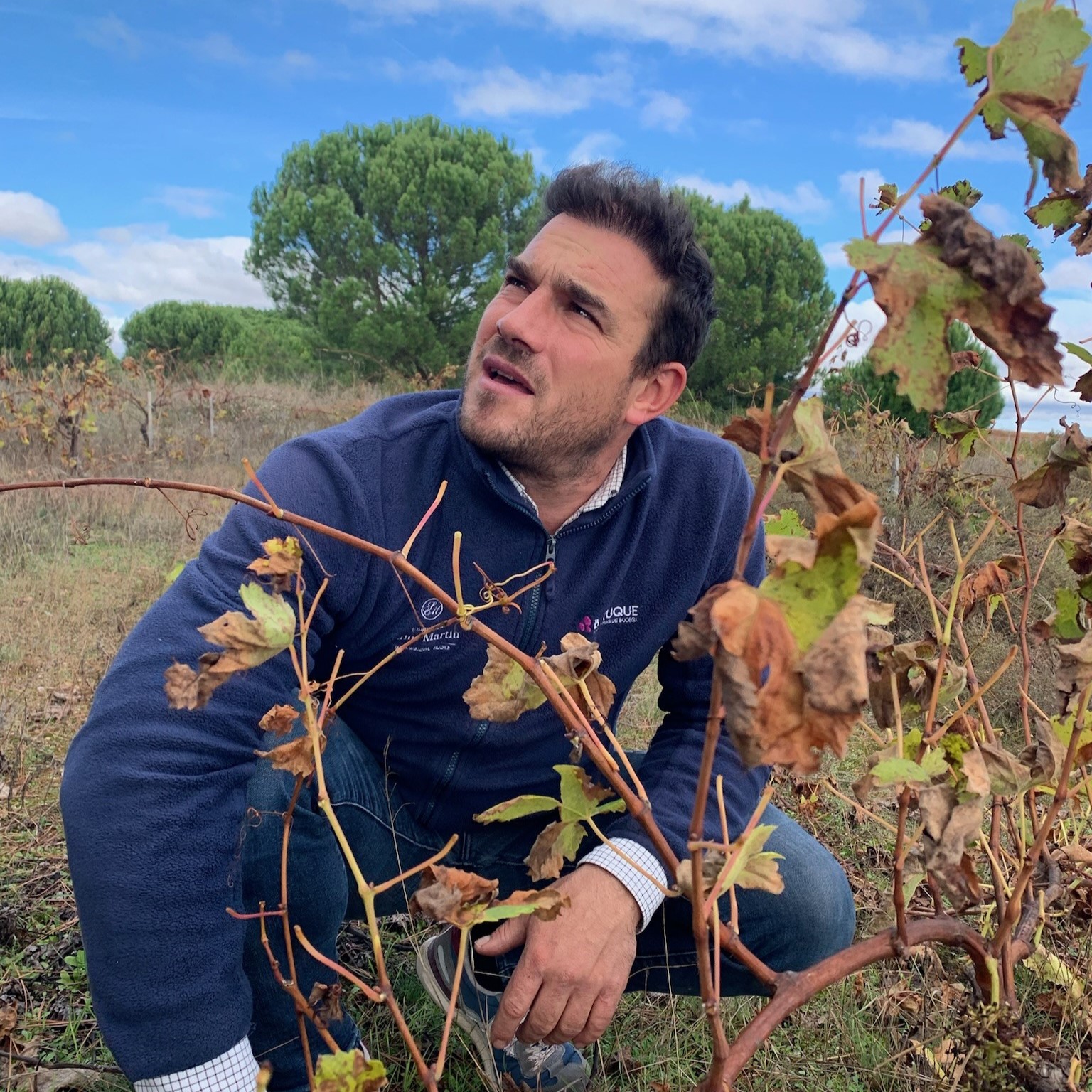
It is rare that we taste a wine and are so excited by it that we want to offer it out immediately, but that is precisely what happened when we first met Francisco Barona.
Spanish wine authority Tim Atkin MW tipped us the wink about Francisco and his eponymous domaine. He nominated Francisco as his 2021 Young Winemaker of the Year in his Ribera del Duero report. And wow, he was spot on.
By his own admission, Francisco Barona wasn’t the most industrious student at school, preferring to be on a tractor in his family vineyards. At 18 he left school to work at 1er Grand Cru Classé Château Pavie Macquin in St Emilion, despite not speaking a word of French. This convinced him that he wanted to study viticulture and oenology and he embarked on a course in Bordeaux. Graduating at the top of his class was no mean feat for someone who couldn’t understand the lectures on day one; this led to a full degree at Bordeaux University, once again with full honours.
After working for wineries in the US and South Africa, Francisco returned to Spain to work in the vineyards of Ribera del Duero whilst saving up to buy his own vines. His ambition was to work with very old vines – there were plenty of old, semi-abandoned vineyards in the Duero, gnarled old bush vines which looked too scraggy to produce anything useful, yet with careful husbandry and maintenance they have very small crops of highly concentrated fruit. In 2011, at just 25 and newly married, with very few pennies to his name, he bought five plots of old vines, plots he equates to Burgundy’s Grands Crus, whose fruit previously had been sold to Vega Sicilia; the first vintage to be released under his own name was 2014. Over the years, subsequent purchases of high quality, old vine vineyards have taken his holdings to 26 hectares, with planting dates ranging between 1908 and 1948.
Whilst neither organic nor biodynamic by certification, Francisco runs his vineyards on holistic principles, using tinctures and infusions, very little sulphur or copper and following lunar influences, as previous generations did. The vines are allowed to grow relatively unchecked, with no trimming or shoot thinning in the summer to provide the maximum protection to the fruit and to achieve a balance with the canopy; the only intervention comes in August, after véraison, when the fruit changes from green to red when Francisco removes excess bunches to ensure maximum ripeness in the remaining ones.
As you would expect, harvesting is by hand into small baskets, with natural yeasts for fermentation; malolactic fermentation happens in new French oak, after which the wines are aged for up to 20 months in oak, before bottling without any fining or filtration. These are wines with a spectacular degree of purity and minerality, polished without any note of artifice.
To view their website click here.
To buy their wines click here.
Click here for current availability or call us on 01353 721 999. For marketing queries, please contact Laura Taylor at laura@privatecellar.co.uk
